


At Wilderness Travel, we believe that community-based, sustainable tourism can be a powerful force for positive change when done thoughtfully and responsibly. Since our founding, we’ve always made a point of balancing profit and purpose by ensuring the vast majority of your travel dollars stay in the communities you visit—going to Trip Leaders from the region, locally owned hotels and restaurants, and grassroots organizations that preserve and protect the surrounding cultures and ecosystems.
With our local knowledge and connections, we are able to empower travelers to make a real impact in the communities they visit. We are a founding member of the Adventure Travel Conservation Fund (ATCF), the International Galápagos Tour Operators Association (IGTOA), the Kilimanjaro Porter Assistance Project (KPAP), and the Friends of Serengeti, among many other innovative organizations. We take sustainable travel seriously, and are dedicated to giving back to the places we visit.

Our Namibia trips donate to the Giraffe Conservation Foundation, Save the Rhino Trust, Desert Lion Project, and AfriCat Foundation. Each helps create a sustainable future for at-risk wildlife by monitoring populations, working with local communities, and establishing protected habitats.
2025 Funding – $21,950

Our safaris in Zimbabwe partner with Imvelo Safari Lodges on impactful conservation and community programs, including the Community Rhino Conservation Initiative, the Zimbabwe School Lunch Program, the Ngamo village clinic, and supporting water wells and waterpumps for communities and wildlife.
2025 Funding – $21,900

Friends of Serengeti is an association of travel companies, dedicated to the lasting protection of the Serengeti. All of our trips to Tanzania and Kenya include a donation directly to community programs such as conservation radio broadcasts and field trips for local students and teachers.
2025 Funding – $17,750

Tompkins Conservation and Rewilding Chile work jointly to restore the wild landscapes of Chilean Patagonia, creating dozens of new national parks in recent decades. They protect threatened species like the huemul deer, steward parks and trails to ensure resilient ecosystems, and restore native species.
2025 Funding – $17,200

The High Atlas Foundation supports Moroccan communities through local initiatives such as sustainable agriculture, clean drinking water and waste management, and women’s and youth programs. Money goes directly towards these initiatives.
2025 Funding – $15,200

The Galápagos Traveler Conservation Fund plays a crucial role in conserving the wildlife and habitat of the Galápagos Islands. All of our trips to the Galápagos include a donation to the fund, helping with disease control, banishing invasive species, and fighting marine crimes and illegal fishing.
2025 Funding – $13,550

École Primaire Publique is the primary school providing free education to 400 students in the rural community of Andasibe, on the edge of Madagascar’s rainforest region. Money goes toward repairing the school’s facilities, including roofs, windows, floors, and desks, ensuring a safe learning environment for Andasibe’s children.
2025 Funding – $11,550

Misool Foundation protects Raja Ampat’s coral reefs through community-led conservation, education, and sustainable livelihoods. Managing a 300,000-acre marine reserve, local rangers stop illegal fishing, restore reefs, and drive recoveries of fish, sharks, and manta rays. Funds go directly toward marine protection, reef restoration, and community-based conservation programs in Misool.
2025 Funding – $11,550
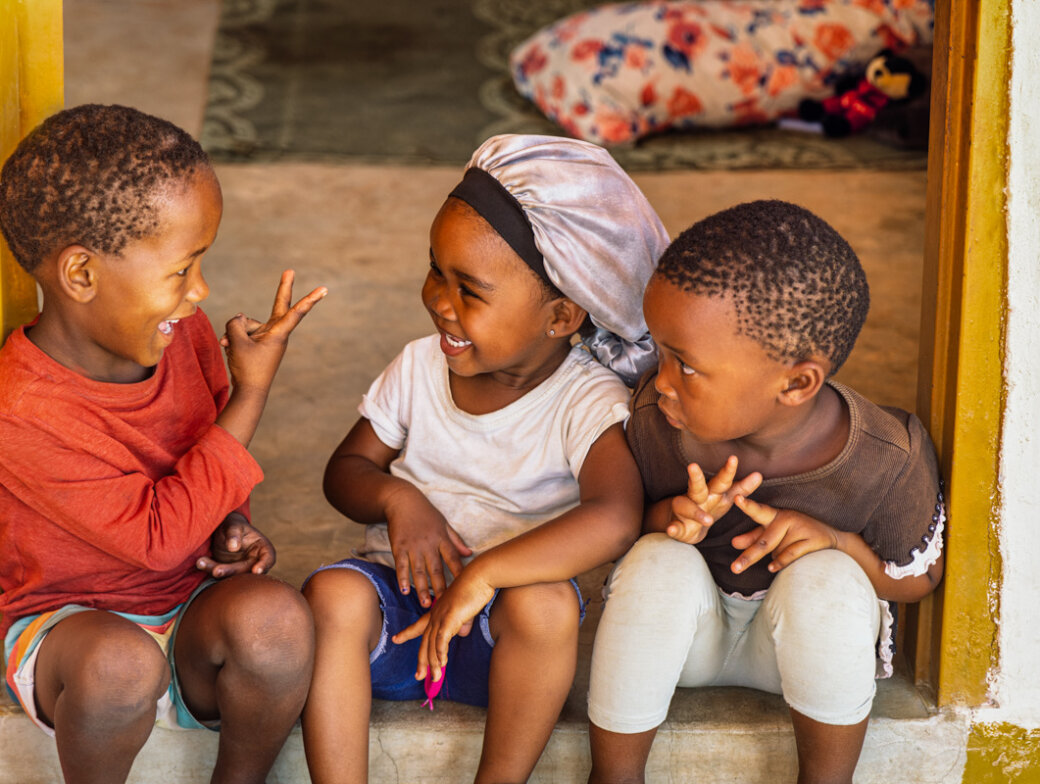
Kazungula Children’s Ark Day Care provides a safe, supportive environment for young children from Kazungula Village and surrounding communities, offering early education, nutritious meals, and daily transportation to and from the center. The daycare also partners with the local clinic for regular health check-ups and maintains a small library and youth center that offer additional learning resources for children and families.
2025 Funding – $10,900

Asters Conservatoire d’Espaces Naturels de Haute-Savoie works to protect the biodiversity and ecological health of the Haute-Savoie region’s wildlife habitats, like alpine meadows, forests, and wetlands. Money goes directly to their hands-on initiatives including habitat restoration, species monitoring, ecological research, and community programs that promote responsible land stewardship, all in an effort to preserve fragile alpine ecosystems.
2025 Funding – $10,050

TOFTigers is a wildlife initiative supporting better tourism practices, and working to improve the ecological and economic sustainability of wildlife parks in India. Money goes towards training local guides as well as various environmental and community projects.
2025 Funding – $9,950

Conservation Through Public Health promotes biodiversity conservation by enabling local communities, endangered gorillas, and livestock to coexist in and around Africa’s protected areas. Money goes to improving rural public health and sustainable development in the region.
2025 Funding – $8,800

We support three wildlife conservation organizations in New Zealand. Project Jonah safeguards marine mammals by responding to strandings. The Takahē Recovery Program protects and grows the population of the endangered takahē bird. Project Island Song restores native birdlife and forest habitat in the Bay of Islands, creating a predator-free sanctuary for rare species.
2025 Funding – $8,025
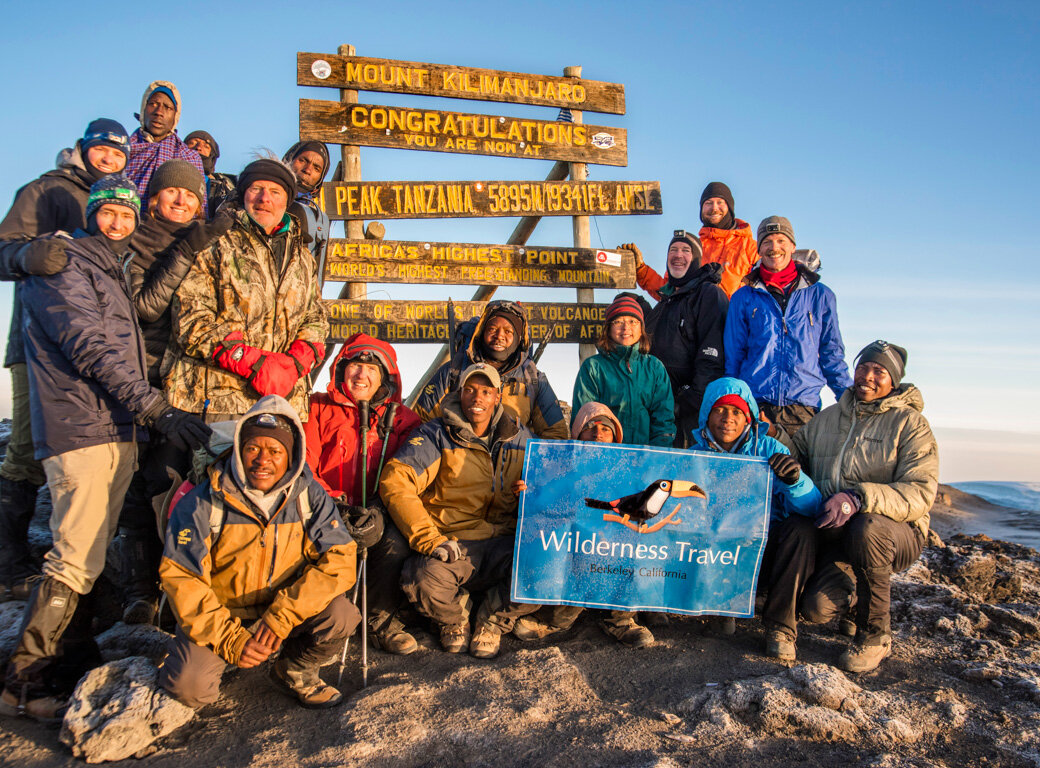
We are a founding member of the Kilimanjaro Porter Assistance Project, an organization that monitors standards for porter wages, load weight limits, and medical care for all porters on the mountain. Money goes to porter education and advocacy for better-standardized work conditions.
2025 Funding – $3,900

The Jaguar Identification Project is a non-profit organization that works with local communities in the northern Pantanal to promote jaguar conservation. Money goes directly to camera trap studies or working with ranchers, volunteers, and schools to promote jaguar protection and conservation.
2025 Funding – $4,000
AHF began by providing scholarships for Sherpa children to attend schools built by Sir Edmund Hillary’s Himalayan Trust foundation. Since then, AHF has grown to provide vital education, health care, and cultural and environmental preservation throughout the Himalayan region. Through the AHF, Wilderness Travel supports the world’s highest dental clinic in Namche Bazaar, Nepal, the Charang Monastic School in Mustang, Nepal, and the STOP Girl Trafficking program, which finds and educates at-risk girls and their families to prevent the scourge of girl trafficking in Nepal. Our Perspectives on the Himalayas symposium in 2002 was a benefit for AHF.
Tompkins Conservation was founded by conservation heroes Kris and Doug Tompkins, and works to create parklands, conserve biodiversity, restore damaged lands, reintroduce missing species, encourage environmental activism, and promote ecological agriculture. They have helped conserve more than 14.2 million acres in protected natural areas, embodied in 11 new national parks and four expanded national parks in Chile and Argentina. Kris was a Guest Speaker at our Patagonia: Epic Climbers and Conservationists special event in Patagonia in 2018, a benefit for the organization, and our trips visit parks they have established including Patagonia National Park and Iberá National Park.
We work with our partners in Namibia and their innovative foundation to identify and support community-based development projects and conservation initiatives that sustain ecological integrity, protect biodiversity, support cultural heritage, and contribute to the social and economic well-being of rural communities. Our funding currently supports the Save the Rhino Trust and the Desert Lion Project. Our 2018 symposium, Namibia: A Vision for Wildlife, featured speakers from these organizations and provided support to them as well as the Giraffe Conservation Foundation and AfriCat.
Founded by renowned primatologist Jane Goodall, JGI is a global nonprofit that empowers people to make a difference for all living things. The institute is devoted to creating healthy ecosystems, promoting sustainable livelihoods and nurturing new generations of committed, active citizens around the world. Jane was a guest speaker at our first two Perspectives on East Africa symposiums in Kenya and Tanzania, in 1996 and 1999, and we have supported the institute and its work for many years.
Wildlife Conservation Network (WCN) is dedicated to protecting endangered species and preserving their natural habitats. They partner with independent, community-based conservationists around the world and provide them with the capital and tools they need to develop solutions for human-wildlife coexistence. Wilderness Travel particularly supports the work of Laurie Marker’s Cheetah Conservation Fund and Iain Douglas-Hamilton’s Save the Elephants through WCN. Laurie was a guest speaker at our Perspectives on Southern Africa symposium in 2007 and Iain was a guest speaker at our Perspectives on East Africa symposium in 2014. We also support the Spectacled Bear and Andean Cat projects in South America and the Saiga Antelope Project in Central Asia.
The Charles Darwin Foundation is an international scientific organization which has been working in Galapagos since 1959 to provide scientific knowledge and assistance that will help to conserve the environment and biodiversity of the archipelago and that enables decision-makers to work towards a truly sustainable Galapagos. The CDF works closely with the Galapagos National Park and over one hundred scientists from around the world to focus on three areas: Invasive Species, Sustainability and Conservation Management.
The Galapagos Conservancy is dedicated exclusively to the long-term protection of the Galapagos Islands, and represents the largest source of private funding for Galapagos conservation. They are committed to strengthening local institutions and to creating local capacity to ensure long-term protection of the archipelago, by working in close partnership with the Charles Darwin Foundation, the Galapagos National Park, local municipalities in Galapagos, and other NGOs. Wilderness Travel is an active supporter of the Conservancy both directly and through our founding membership in the International Galapagos Tour Operators Association.
The Global Heritage Fund’s mission is to protect, preserve and sustain the most significant and endangered cultural heritage sites in the developing world. Its goals are to preserve the physical evidence of cultural heritage, advance education about endangered heritage sites, advance community involvement and benefits from preservation, and to build a major international conservancy to save our global heritage. Wilderness Travel’s contributions have been dedicated the Banteay Chhmar (The Citadel of the Cats) project in Cambodia, whose Project Director, John Sanday, was a guest speaker at our Perspectives on the Himalayas symposium in 2002 and at The Arc of the Sacred symposium in Cambodia in 2015.
The heart of Common Hope’s work in Guatemala is education. They provide the necessary resources for over 2,700 children to attend school each year in seventeen villages outside of Antigua and Guatemala City. They understand that education is about more than books and uniforms—a comprehensive approach is critical to help students and their families to reach their full potential. For this reason they also focus on health care, housing, and family development. Wilderness Travel supports Common Hope’s work in Guatemala, a country near to our hearts and site of our series of World of the Maya symposiums.
The Alex Lowe Charitable Foundation is dedicated to preserving the legacy of the great alpinist Alex Lowe, by providing direction and financial support to sustainable, community-based humanitarian programs designed to help the people who live in remote regions of the world. Projects include the Khumbu Climbing School and the Magic Yeti Library. Co-founder Conrad Anker has been a guest speaker at Wilderness Travel’s Perspectives on the Himalayas symposium, Antarctica: In the Wake of the Great Explorers special event, and our 2018 Patagonia! Epic Climbers and Conservationists special event, and will be joining us again for the 2021 Eclipse in Antarctica. Conrad and Jennifer Lowe first conceived of the foundation while accompanying a Wilderness Travel Ultimate Everest trek.
The Honnold Foundation envisions a world where all people have equal access to opportunity and live in balance with the environment. They promote solar as a proven, environmentally sound solution to global energy poverty, and award grants to bold and ethical organizations driving innovation in the solar industry. Started by the renowned climber Alex Honnold, star of the Academy Award winning film, Free Solo, Alex was a Guest Speaker at our 2018 Patagonia! Epic Climbers & Conservationists special event.
Panthera is the only organization in the world devoted exclusively to the conservation of the world’s 40 wild cat species and their ecosystems. Utilizing the expertise of the world’s premier cat biologists, Panthera develops and implements global strategies for the most imperiled large cats: tigers, lions, jaguars, snow leopards, cheetahs, pumas, and leopards. Dr. George Schaller, Vice President Emeritus at Panthera, was a Guest Speaker at our Perspectives on the Himalayas symposium in Nepal, for which he led a tiger watching trip in India.
The mission of the Adventure Travel Conservation Fund (ATCF) is to directly fund local projects engaged in the conservation of unique natural and cultural resources of adventure travel destinations. The ATCF provides funding, connections, and an international spotlight on projects that protect the cultural and natural resources which underpin the adventure tourism industry. Wilderness Travel is a founding member of the organization, which in 2018 funded the Snow Leopard Conservancy India Trust, Water for Hwange, Oaxaca Sea Turtle Conservation, and other worthy projects.
Conservation Through Public Health is a non-profit organization based in Uganda that focuses on gorilla and wildlife conservation through empowering the communities surrounding Bwindi Impenetrable National Park and beyond. By focusing on three initiatives—wildlife conservation, community health, and alternative livelihoods—CTPH’s mission is to alleviate poverty and improve rural public health in remote villages around Africa’s protected areas in order to create a sustainable future for endangered wildlife. Wilderness Travel has the opportunity to visit CTPH during our journeys in Uganda.
Since 2005, CORE International has helped more than 13,000 Nepalese families through literacy, educational, and micro-finance initiatives, which address the issues of gender and social inclusion. CORE International offers a variety of trainings including literacy and English classes, agriculture, and public health awareness, and has provided tuition scholarships for children in Chepang and Namche. After the devastating earthquake of 2015, CORE International mobilized a relief fund that supported 4,300 families.
WildAid’s mission is to protect wildlife from illegal trade and other imminent threats. They do this by working with governments and partners to protect fragile marine reserves from illegal fishing and shark finning, to enhance public and political will for anti-poaching efforts, and to reduce climate change impacts. WildAid also works to reduce global consumption of wildlife products. As they put it, “we believe that when the buying stops, the killing can too.

Small Group Adventure
Namibia: Giraffe Conservation Safari
Namibia
Level 3
13 Days
From $11,995

Small Group Adventure
Wild Zimbabwe
Zimbabwe
Level 2+
10 Days
From $8,795

Small Group Adventure
Searching for Snow Leopards in India
India
Level 4+
12 Days
Call for Pricing
NEW TRIP

Small Group Adventure
Remote Parks of Patagonia’s Wild North
Chile
Level 3
10 Days
From $8,295

Small Group Adventure
Namibia: Desert Lion Conservation Safari
Namibia
Level 3
14 Days
From $12,395

Small Group Adventure
Galapagos Adventure aboard the Passion
Ecuador
Level 1+
10 Days
From $10,295

Small Group Adventure
Mountain Gorilla Safari
Uganda
Level 3+
10 Days
From $9,395

Small Group Adventure
Central India: In the Realm of the Tiger
India
Level 2
15 Days
From $7,995


