


NEW TRIP
Peru has ridden the crest of a gastronomic boom for two decades, with Bolivia on the rise and celebrated for its emphasis on indigenous ingredients. Our culinary adventure brings us from Old World cuisine to native flavors and from local markets to meals by award-winning chefs, with cultural walks and introductions to wine makers and experts along the way. We begin in the southern Bolivian city of Tarija, where Dominican priests brought grapes from Europe centuries ago, then continue to the colonial highland towns of Sucre and Potosi. Our last stop in Bolivia is unforgettable La Paz, home to the country’s most innovative restaurants and incredible markets brimming with local flavor. In Peru, we relish Lima’s celebrated “foodie” scene and a pre-Incan Pachacamac site. Our delicious journey finishes in Cusco, the Inca capital, with a walking tour, wine tasting, an introduction to Cusco’s cuisine by a local chef, and a special picnic lunch at a private home in the Sacred Valley of the Incas.


Arrive: Santa Cruz, Bolivia
Depart: Cusco, Peru


Fly to Santa Cruz and on to Tarija in southern Bolivia’s wine country. Sample Tarija-style cuisine, go wine tasting, and meet vintners in the ancient Cinti Valley, with its legendary multi-generational vineyards, including Cepas de Oro, Cepas de Fuego, and Tierra Roja.
After visiting Potosí, once one of the jewels in the Spanish crown, continue to charming Sucre (9,500'), the place to roam colonial lanes, sample the hand-crafted chocolates at Bolivia’s Para Ti, and dine at a restaurant that serves innovative local cuisine.
In La Paz (12,000'), the highest capital city in the world and Bolivia’s culinary capital, explore the Old Town, meet the “curanderas” at the famed Witches’ Market, and experience three of the city’s acclaimed restaurants—Gustu, Phayawai, and Armami, whose ingenious chefs create incredible meals from locally sourced ingredients paired with delicious Bolivian wines.
In Lima, explore an active archaeological site, visit the renowned Larco Herrara Archaeological Museum, and visit the pre-Inca site of Pachacamac, with pisco-tasting in Barranco, Lima’s colonial arts district.
In Cusco, the Inca capital, we meet with Tammy Gordon, an innovator of Cusco’s dining scene and owner of Cicciolina, an award-winning restaurant. Our final day finds us in the Inca-built town of Ollantaytambo in the Sacred Valley of the Incas, with a special lunch and an overnight in the historic El Albergue. Depart via Cusco on Day 13.
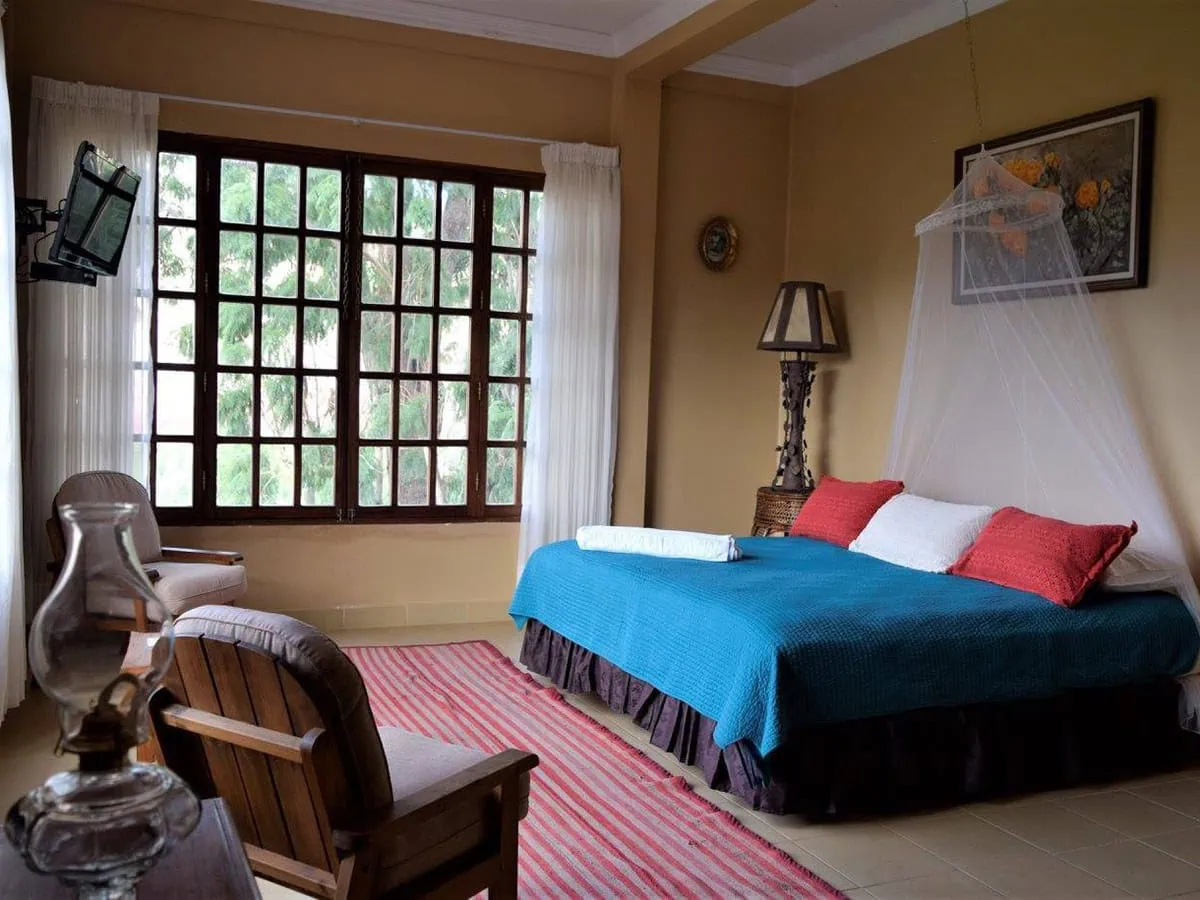
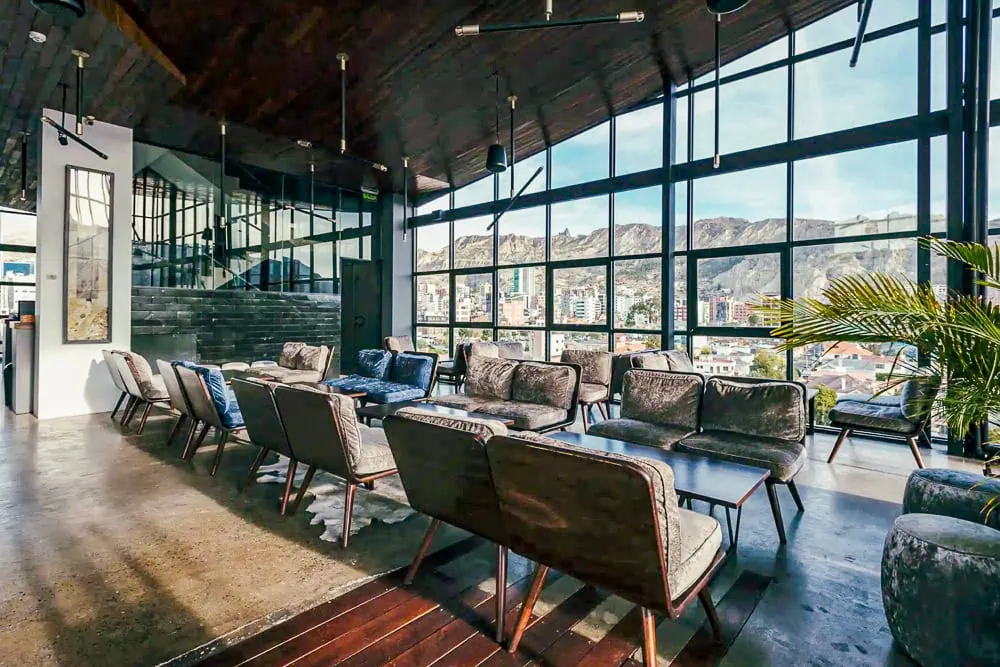
Scroll through our signature accommodations for this trip below. Although it is highly unlikely, we may make substitutions when necessary.




This trip is rated a Level 3, Moderate, according to our trip grading system. You will need to be comfortable hiking 2 to 3 miles a day and being on your feet for up to 4 hours a day. The majority of our walks through towns and cities will be flat, but there will be some areas with cobblestone streets and steep hills. Much of the trip takes place at high altitudes (12,000 feet in La Paz, Bolivia, and 11,000 feet in Cusco, Peru). Appropriate time for rest and acclimatization is included in the itinerary, but for your own enjoyment, we recommend you make a special effort to be in good physical condition.
Average Hiking/Walking Day:
We will be walking over variable terrain, including vineyards, rocky paths, and cobblestones with uneven surfaces. Some of the historic buildings and colonial plazas we visit have narrow and steep staircases and uneven flooring.
We strongly urge you to train for your trip, as your enjoyment will be highly dependent on your level of fitness. At altitude, even just a walk up a flight of steps can make you feel a bit breathless. A brisk 30- to 45-minute walk every other day over moderately steep terrain can do wonders for your pre-trip conditioning. Also, be sure to drink plenty of water when you are at altitude, even if you do not feel thirsty. Hiking, swimming, biking, or other cardiovascular exercises are good preparation for travel, especially to higher altitudes. Make sure your walking shoes are sturdy, comfortable, and thoroughly broken-in.
Being close to the equator, Peru has only two climate seasons: a dry season from April to October and a wet season from December to March. Altitude is the main factor controlling the climate. In the mountains (Cusco and the Sacred Valley), you’ll encounter sunny days with daytime temperatures ranging between 65°F and 70°F, dropping to the 40s and lower at night. The sun is very strong at high altitude and it can often be warm. However, it can also get extremely cold even in the daytime if the sun slips behind a cloud. Lima, by contrast, lies in a coastal desert where rainfall is rare and temperatures are usually warm (70s and 80s). In Bolivia, the days can be brilliantly sunny but nights at high altitudes are always cold. Daytime temperatures in La Paz and Sucre range from highs of 65°F to lows of around 40°F. In Tarija, the warmer season is October to early February, with an average daily high of 75°F. The cooler season in Tarija is from mid-May through August with an average daily high around 70°F.
The hotels we use on this trip are the best available. They have comfortable rooms with en-suite bathrooms and have been chosen for their ambiance and location. Since they are sometimes in historic buildings, the rooms are not always of uniform or international size. Our leaders do their best to assign rooms in a fair way so that all participants experience an equal advantage throughout the trip as a whole. Single rooms can be requested but are not always available, due to the limited space in the hotels. If you prefer a single room, please make your request as early as possible.
The new cuisines of Bolivia and Peru feature a creative, modern touch applied to traditional indigenous and Spanish dishes. Meals are sourced from ingredients in the lush Amazon, with its tropical fruits and unique fish, and the high Andes, noted for tubers and nutritious native grains such as quinoa and amaranth. We will enjoy a bounty of memorable meals on this trip. Most lunches and dinners will be at local restaurants we’ve chosen for their contribution to the culinary arts of Bolivia and Peru. For our finer dining, suits and dresses are not necessary, but we recommend bringing casual-smart dinner attire. Please note that in Latin America, the dinner hour is considerably later than what it is in the US. We do our best to secure early reservations for our groups, but most often the evening meal will be at 7:30 pm.
Our van will transport the group’s luggage, so you only need to carry a daypack for items you need during the day (rain gear, sweater, camera, water bottle, etc.). Trip members are always free to skip a day’s activity and remain at the hotel (if we are not transferring that day) or travel to the next destination in the support vehicle.
This trip takes place at high elevation. It is not uncommon to experience headache, nausea, loss of appetite, sleeplessness, shortness of breath, and fatigue at altitude. Symptoms can occur when you first arrive at higher elevations and usually decrease in severity with time. We have designed this itinerary to allow for appropriate rest and acclimatization, but for your own enjoyment, we recommend that you make a special effort to be in good physical condition. While on the trip, be sure to drink plenty of water, even if you don't feel thirsty, and avoid pushing yourself too hard, however physically fit you may be or feel. You may want to consult with your physician about bringing medication to prevent altitude sickness, such as Diamox. You can learn more about altitude and how to prepare for it in our video linked here.

Small Group Adventure
Bolivia: From Uyuni to Titicaca
Bolivia
Level 3
14 Days
From $8,195

Private Journey
Peru Private Journey
Peru
Level 2
8 Days
From $6,895

Small Group Adventure
Prehistoric Caves and Great Cuisine of France
France
Level 2+
12 Days
From $11,295

Small Group Adventure
Treasures of the Sacred Valley & Machu Picchu
Peru
Level 2
8 Days
From $7,125
Our Area Specialists know every detail about our tours. They will be happy to answer any questions and help you choose the journey that’s right for you. Contact us to learn more or book your trip today!
Submit the form below to download itinerary
With more than 200 different adventures to choose from, we want to help you find the trip that’s right for you. Our Trip Level system ranks each trip in two ways: a number rating from 1 to 6 according to the activity, and general travel rigors. 1 is the easiest and 6+ the most difficult.
